IT · 2026-11-21
Why AI Bubble Concerns Are Growing: Professor Kim Young-ik on Risks in U.S. Stocks and Semiconductors
Professor Kim Young-ik of Sogang University says the AI investment cycle could be showing signs of both the stock-price excess seen in the dot-com bubble and the credit risks seen during the Lehman crisis. If cracks appear in the funding structure centered on Nvidia, AI investment and semiconductor demand could weaken, he argues.
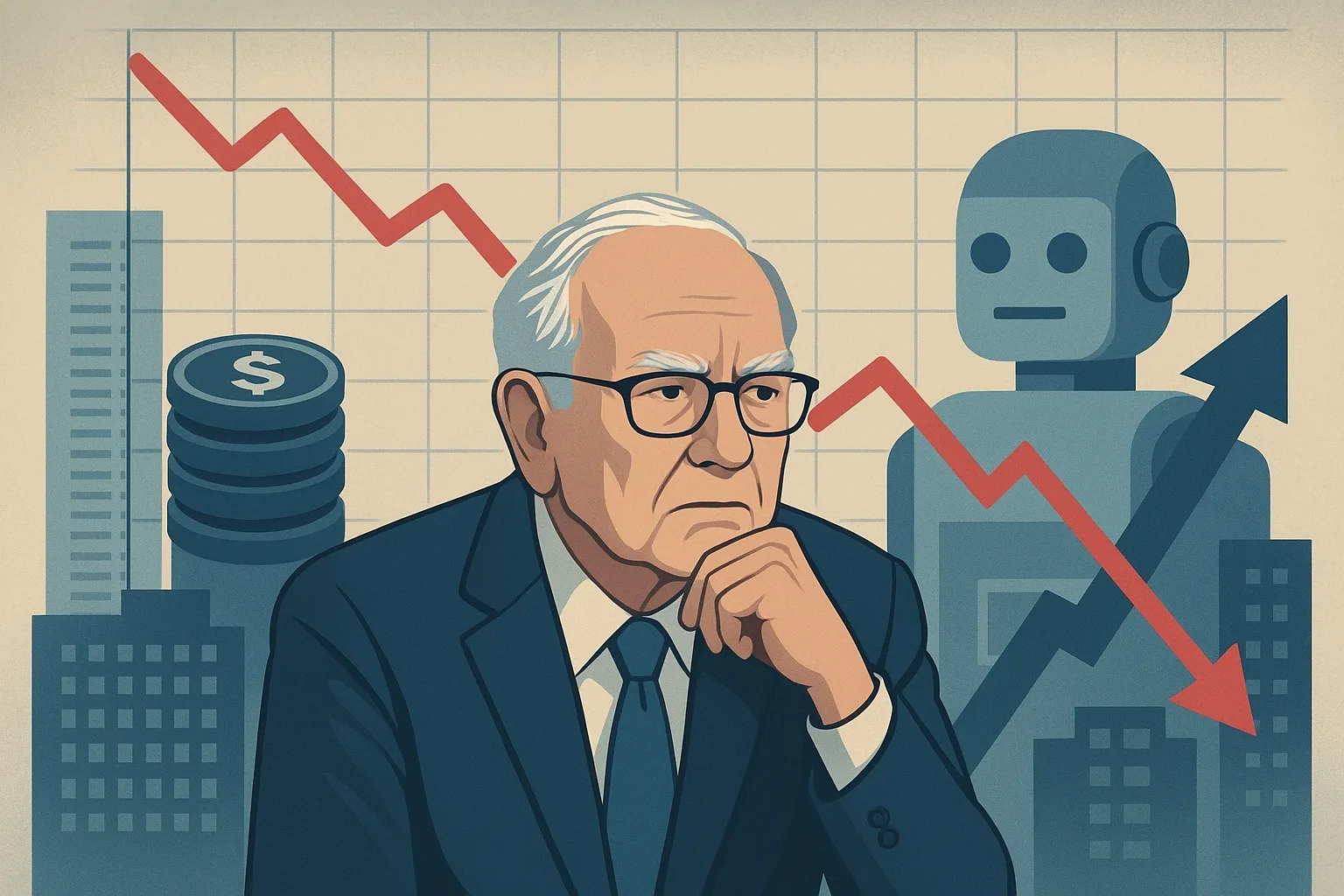
As AI-related stocks have risen rapidly, questions about whether the market is in a bubble have also grown louder. According to analysis reported by Newsis, Professor Kim Young-ik of Sogang University’s Graduate School of Economics points to two overlapping risks in the current AI investment cycle. One is overheated stock prices, similar to the dot-com bubble in 2000, and the other is the possibility of problems in credit and financing, as in the 2008 financial crisis.
Professor Kim assessed that the U.S. stock market bubble is more severe than the IT bubble of the past, based on indicators such as the Buffett Indicator, price-to-earnings ratio (PER), Tobin’s Q, and dividend yield. That said, this is his diagnosis based on specific indicators, not a definitive prediction that the market must fall. The scale of a bubble and the timing of a correction are also separate issues.
What he identifies as the core issue is the AI industry’s “circular finance” structure. According to the article, Professor Kim explained that Nvidia has supported the ecosystem’s funding flow by investing in AI companies, providing credit, and supplying GPUs. If this structure starts to weaken, companies may struggle to secure the capital they need, and reduced investment could in turn lead to lower semiconductor demand. The article also noted that, following a possible resignation by Nvidia CEO Jensen Huang, the risk of cracks in this structure was being raised as another concern.
These worries also extend to South Korea’s semiconductor stocks. Professor Kim said the declines in Samsung Electronics and SK Hynix shares may partly reflect concerns about slowing AI investment and tighter funding conditions. His view is that whether AI companies continue investing, or scale back their plans because financial conditions worsen, could become a key variable for the semiconductor industry.
He also offered a cautious outlook on U.S. stock valuations. Based on nominal GDP growth, Professor Kim put the fair value of the S&P 500 at around 6,255, roughly 20% below the index level at the time. He also projected that the U.S. stock market’s annual return over the next 10 years could be lower than it was over the past 10. As the article makes clear, however, this is only one economist’s estimate and not a figure that determines how the market will actually move.
It is important to distinguish between the long-term potential of AI technology and the current pricing of AI-related stocks. Even if the technology continues to advance, not every company will recoup its investment costs or justify today’s lofty valuations. Professor Kim advised looking not only at the size of the investment, but also at whether real sales, cash flow, and profits are being generated consistently. When reading about the AI bubble, it seems important to examine not just the technology’s growth potential, but also each company’s financing model and business performance.
Professor Kim assessed that the U.S. stock market bubble is more severe than the IT bubble of the past, based on indicators such as the Buffett Indicator, price-to-earnings ratio (PER), Tobin’s Q, and dividend yield. That said, this is his diagnosis based on specific indicators, not a definitive prediction that the market must fall. The scale of a bubble and the timing of a correction are also separate issues.
What he identifies as the core issue is the AI industry’s “circular finance” structure. According to the article, Professor Kim explained that Nvidia has supported the ecosystem’s funding flow by investing in AI companies, providing credit, and supplying GPUs. If this structure starts to weaken, companies may struggle to secure the capital they need, and reduced investment could in turn lead to lower semiconductor demand. The article also noted that, following a possible resignation by Nvidia CEO Jensen Huang, the risk of cracks in this structure was being raised as another concern.
These worries also extend to South Korea’s semiconductor stocks. Professor Kim said the declines in Samsung Electronics and SK Hynix shares may partly reflect concerns about slowing AI investment and tighter funding conditions. His view is that whether AI companies continue investing, or scale back their plans because financial conditions worsen, could become a key variable for the semiconductor industry.
He also offered a cautious outlook on U.S. stock valuations. Based on nominal GDP growth, Professor Kim put the fair value of the S&P 500 at around 6,255, roughly 20% below the index level at the time. He also projected that the U.S. stock market’s annual return over the next 10 years could be lower than it was over the past 10. As the article makes clear, however, this is only one economist’s estimate and not a figure that determines how the market will actually move.
It is important to distinguish between the long-term potential of AI technology and the current pricing of AI-related stocks. Even if the technology continues to advance, not every company will recoup its investment costs or justify today’s lofty valuations. Professor Kim advised looking not only at the size of the investment, but also at whether real sales, cash flow, and profits are being generated consistently. When reading about the AI bubble, it seems important to examine not just the technology’s growth potential, but also each company’s financing model and business performance.
Related search terms
#AI bubble concerns#U.S. stock market bubble#Nvidia funding structure#semiconductor stock outlook#AI investment cycle#dot-com bubble comparison#S&P 500 fair value#Samsung Electronics SK Hynix shares